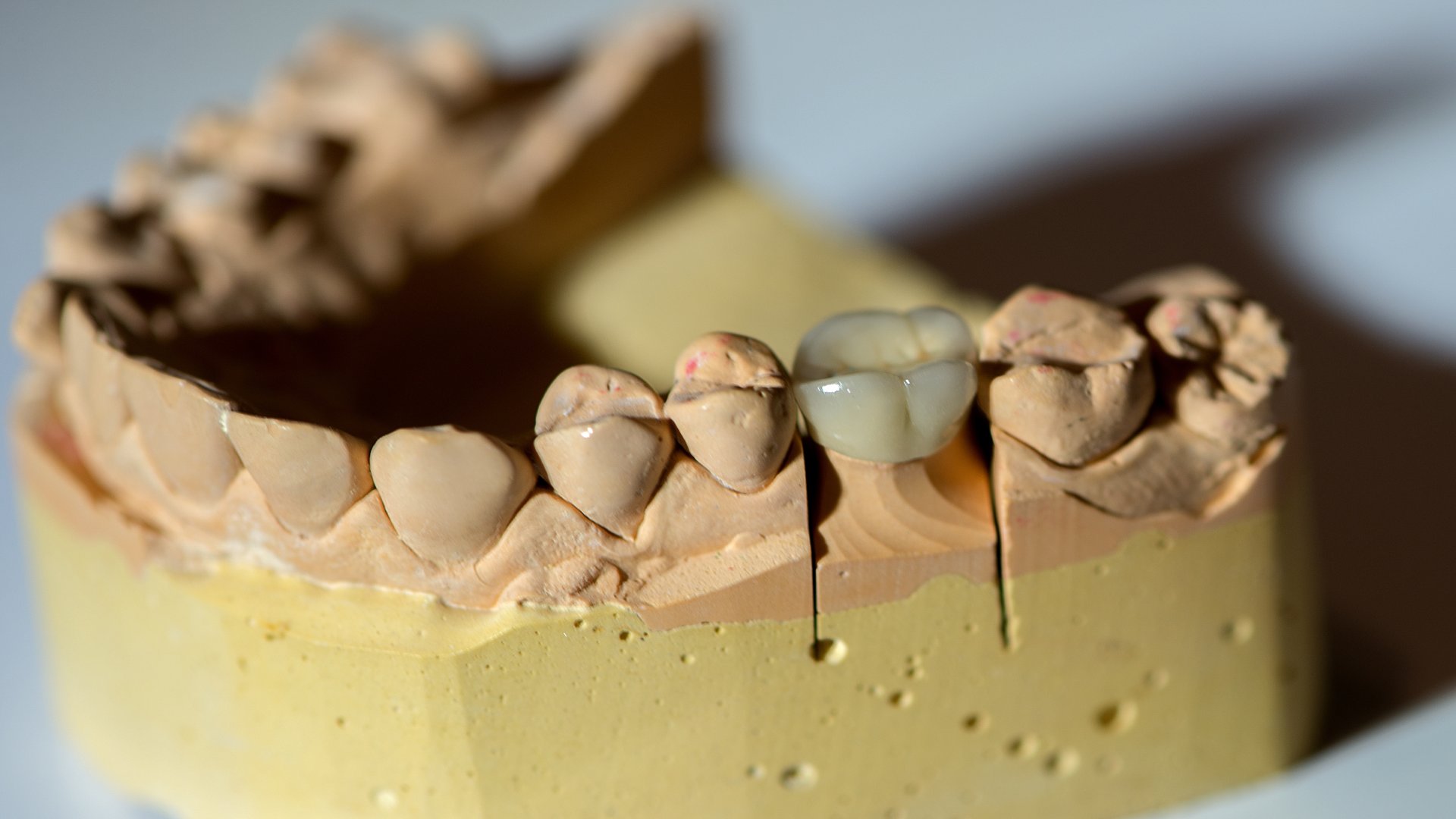
Dental fillings help protect teeth after cavities or minor damage. Over time, however, fillings naturally wear down from everyday use. Biting, chewing, and normal pressure can slowly affect how well a filling seals and supports a tooth. Knowing when a filling needs replacement helps prevent deeper decay and more complicated dental treatments.
Understanding the warning signs early allows better protection for long-term oral health. Regular checkups at Brinkley Dental Group also make it easier to monitor existing dental fillings and address small issues before they become serious.
How Long Do Dental Fillings Usually Last?
Fillings are designed to be durable, but no filling lasts forever. The lifespan depends on several factors, including the material used and everyday habits.
A filling may last longer when good oral care is maintained. Important factors that influence longevity include:
- Brushing and flossing habits
- The size and location of the filling
- Grinding or clenching teeth
- Diet choices, especially sugary foods
- Regular dental visits
Routine dental exams allow early detection of wear or damage. Monitoring fillings during these visits ensures teeth stay protected.
Common Signs a Filling May Need Replacement
A filling that begins to fail often shows noticeable symptoms. Paying attention to these changes can prevent more serious dental problems.
Some warning signs include:
- Tooth sensitivity when eating hot or cold foods
- Pain when biting down
- Rough or uneven edges felt with the tongue.
- Visible cracks or worn areas
- Food is getting stuck in the same spot repeatedly.
When these symptoms appear, it may mean the filling is no longer sealing the tooth properly. Replacing the filling quickly can stop further damage from developing.
Cracks and Wear from Daily Use
Every day, chewing creates pressure on teeth and fillings. Over time, small cracks or chips can form in the filling material. Even tiny fractures can allow bacteria to enter the tooth underneath.
Once bacteria reach that area, new decay can start beneath the filling. That’s why regular dental exams and cleaning are important. Early detection allows timely repair or replacement before deeper problems occur.
Sensitivity That Lasts Longer Than Expected
Some sensitivity can happen briefly after dental work, but persistent discomfort may signal that a filling is wearing out. Sensitivity often appears when drinking cold beverages, eating sweets, or biting down.
Ongoing sensitivity may indicate:
- A loose filling
- A crack in the filling material
- Exposure of the tooth beneath the filling
When sensitivity does not go away, a dental exam can determine whether the filling needs replacement.
Decay Around an Existing Filling
Even a well-placed filling can develop small gaps along its edges over time. These tiny spaces allow bacteria to collect and create new decay around the filling.
If this happens, replacing the filling becomes part of restoring the tooth. Addressing the issue early prevents decay from spreading deeper into the tooth.
Changes in the Bite or Tooth Surface
A filling should feel smooth and natural when chewing. If a filling begins to feel different, that change should not be ignored.
Possible signs include:
- A filling that feels raised or uneven
- Rough surfaces that irritate the tongue
- A loose or shifting feeling while chewing
These changes may indicate the filling has worn down or moved slightly. Replacing it restores comfort and helps maintain proper tooth alignment.
Protecting Long-Term Oral Health
Dental fillings are essential for maintaining strong teeth after cavities. However, regular monitoring ensures they continue doing their job properly. Paying attention to sensitivity, visible wear, or changes in bite can help prevent more serious dental issues.
If a filling feels uncomfortable or seems worn, it may be time for an evaluation. Contact Us to discuss concerns or schedule an appointment. At Brinkley Dental Group, the goal is always to provide guidance and care that supports a healthy, confident smile.