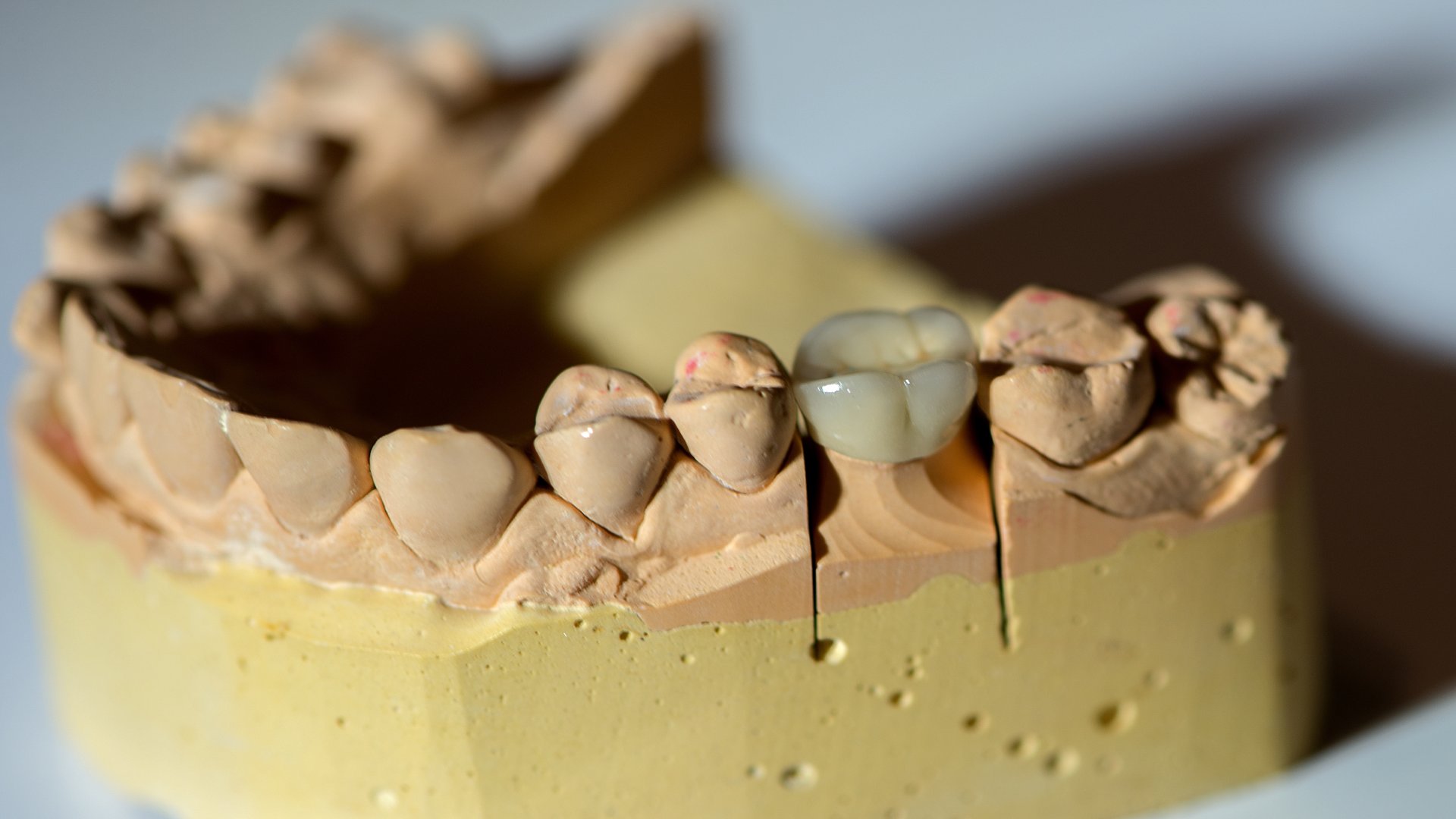
Your teeth handle a lot every day—chewing, biting, and even grinding when you’re stressed. Over time, this pressure can weaken a tooth. When a tooth becomes damaged or fragile, a simple filling may not be enough to restore its strength. In many cases, Brinkley Dental Group may recommend dental crowns to help protect and strengthen the tooth.
A crown acts like a protective cap that fits over the entire tooth. It restores the tooth’s shape, size, and durability while also improving how it looks. But how do you know when you might need one? Below are some common signs that your tooth may require extra protection.
Persistent Tooth Pain When Chewing
If you feel discomfort or sharp pain while chewing or biting, it may mean your tooth is weakened or cracked. This kind of pain often happens when the tooth structure can no longer handle normal pressure.
A dental crown may be recommended when:
- A tooth has a deep crack or fracture.
- A large filling has weakened the remaining tooth structure.
- The tooth has been treated with a root canal and needs extra protection.
By covering the tooth completely, dental crowns help distribute pressure evenly when you chew. This prevents the tooth from breaking further.
A Large or Failing Filling
Dental fillings repair cavities, but they don’t always last forever. Over time, large fillings can weaken the surrounding tooth. When too much natural tooth structure is missing, a filling alone may not provide enough support.
Signs that a filling may no longer be sufficient include:
- Cracks are forming around the filling.
- Sensitivity to hot or cold foods
- Pieces of the filling are breaking off.
- Food is getting trapped around the area.
In these situations, a dentist may recommend replacing the filling with a crown to provide stronger, long-term support.
A Cracked or Broken Tooth
A cracked tooth is one of the most common reasons people need crowns. Sometimes the crack is obvious, but in many cases, it may be small and difficult to see.
You might notice symptoms such as:
- Sudden pain when biting
- Sensitivity to temperature changes
- Discomfort that comes and goes
A crown works by holding the tooth together and preventing the crack from spreading. Without protection, the tooth may eventually split and require more extensive treatment.
If you’re dealing with a damaged tooth, a dental exam can help determine whether a crown is the best solution.
Tooth Wear from Grinding
Teeth grinding, also known as bruxism, can gradually wear down the surface of your teeth. Over time, this pressure can make teeth shorter, weaker, and more sensitive.
When a tooth becomes severely worn, a crown may be recommended to restore its height and shape. This helps improve your bite and protects the remaining tooth structure.
Dentists may also suggest wearing a night guard to prevent further grinding damage.
After Root Canal Treatment
A tooth that has had a root canal often becomes more fragile because the inner pulp has been removed. While the infection is treated successfully, the tooth itself can become brittle.
A crown is commonly placed after root canal therapy because it:
- Protects the weakened tooth
- Restores normal chewing strength
- Prevents fractures
Without this added protection, the tooth could break under normal pressure.
Severe Tooth Discolouration or Structural Damage
Sometimes a tooth becomes severely discoloured or damaged due to trauma, decay, or previous dental work. When this happens, a crown can restore both the function and appearance of the tooth.
Crowns are often used in dental restoration treatments because they provide a natural-looking and durable solution. Modern crowns are designed to match the colour and shape of your surrounding teeth, helping your smile look balanced and healthy.
Protecting Your Smile Before the Problem Gets Worse
A damaged tooth rarely heals on its own. Waiting too long can lead to more serious problems, including infection or tooth loss. Paying attention to early warning signs—like pain, cracks, or weakened fillings—can help you address issues before they become more complicated.
If you notice changes in how a tooth feels or functions, it may be time for a professional evaluation. The team at Brinkley Dental Group can assess your tooth and recommend the right solution for your needs. If you’d like guidance or want to explore treatment options, feel free to contact us and schedule a visit. Your smile deserves care that keeps it strong and healthy for years to come.