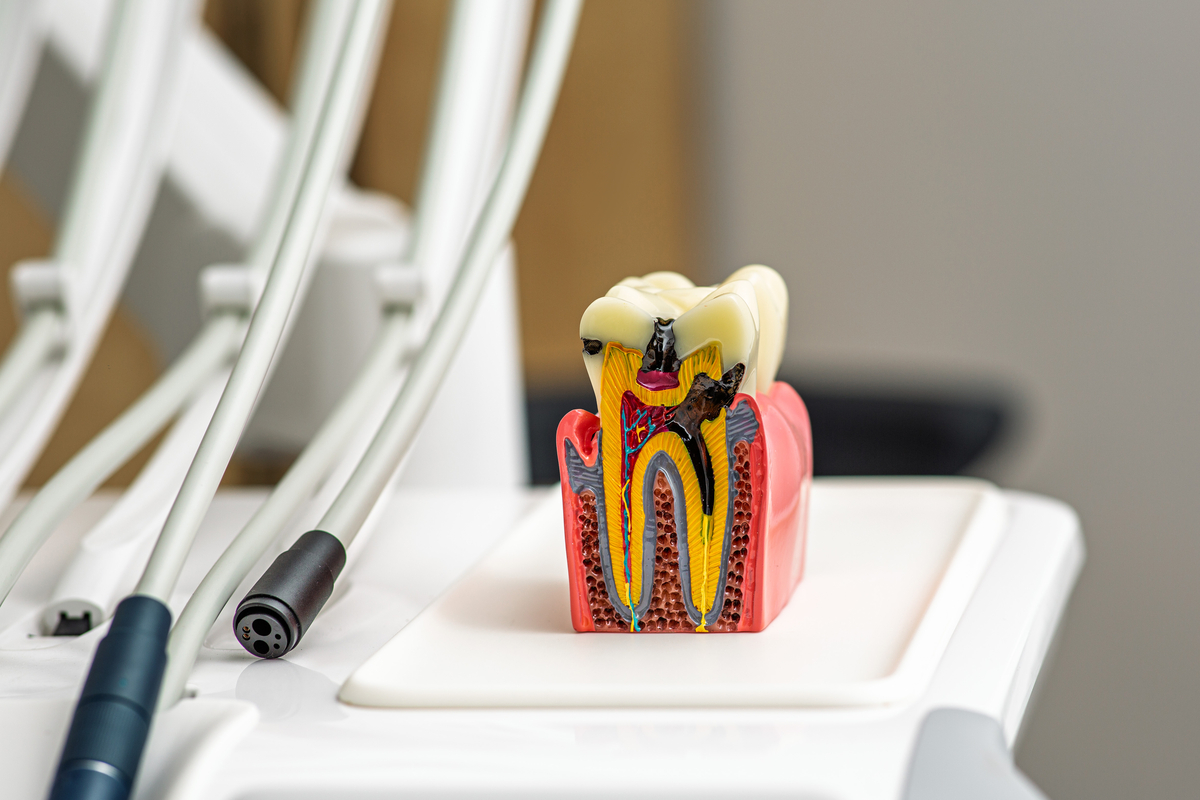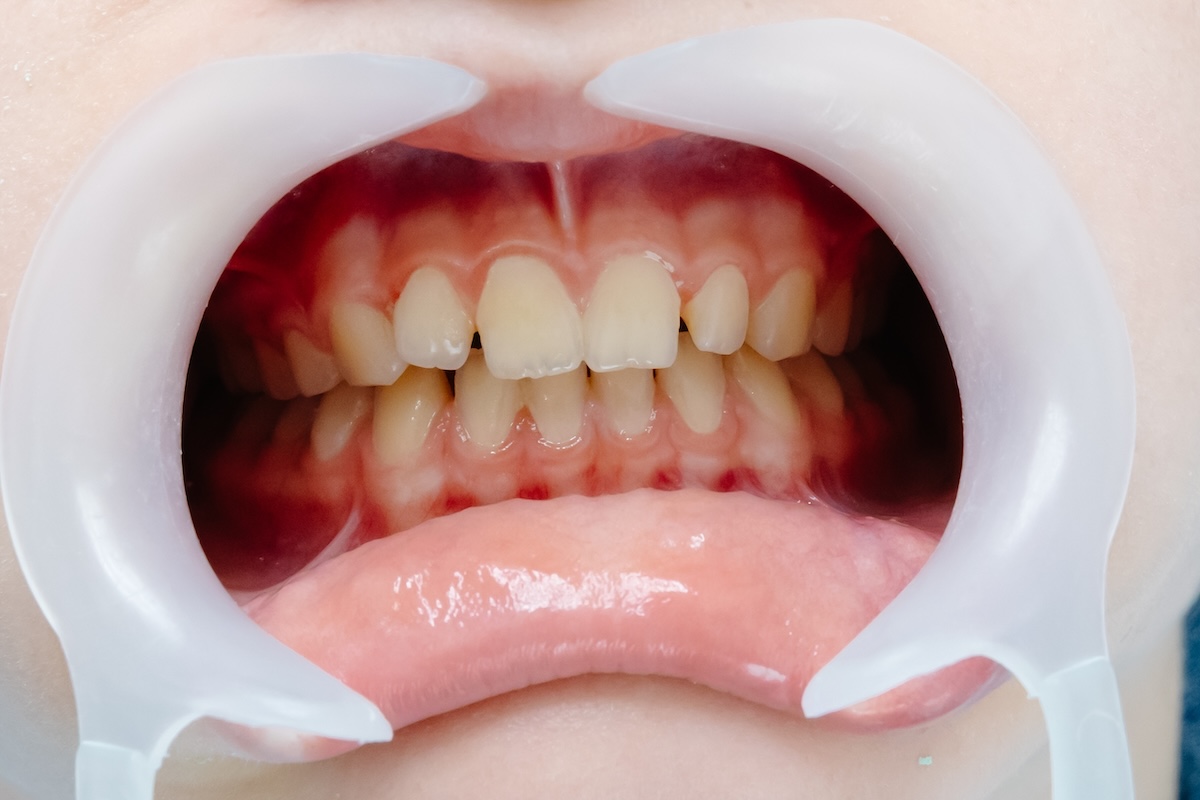
Periodontal disease, often known as gum disease, affects millions of people, and while brushing, flossing, and regular dental visits play a huge part in keeping your gums healthy, there’s another factor many people don’t think about: genetics. At Brinkley Dental Group, we’ve seen that even patients with excellent oral care routines can still struggle with gum issues. Sometimes, the reason lies in their family history.
Let’s take a closer look at how genetics influences periodontal disease and what you can do if it runs in your family.
How Genetics Influence Your Gum Health
Your genes can affect how your body responds to bacteria in the mouth. Some people naturally have a stronger inflammatory response, meaning their gums may react more intensely to plaque buildup. This can accelerate the progression of periodontal disease, even with good oral hygiene.
If your parents or grandparents had gum disease, you’re more likely to develop it too. This doesn’t guarantee you’ll have issues, but it does increase your risk.
The Link Between the Immune System and Gum Disease
Your immune system plays a significant role in protecting your gums. When harmful bacteria settle along the gumline, the immune system responds by sending cells to fight the infection. But in some people, this natural defence overreacts, leading to swelling, bleeding, and bone loss around the teeth.
This overreaction can be tied to genetics. Even with regular brushing and flossing, the body’s strong inflammatory response can speed up gum damage. This is one reason why some people may need Periodontal Disease Treatment earlier than others.
Inherited Conditions That Increase Risk
Some genetic conditions can increase the risk of gum disease. These include:
- Thin or weak gum tissue, which can recede more easily
- Lower bone density allows infection to spread faster
- Underlying health conditions, such as diabetes, that can be hereditary
These factors don’t cause gum disease on their own, but they make it easier to develop if bacteria are present.
Lifestyle Still Matters, Even with Genetic Risks
Genetics can raise your risk, but everyday habits still have the most significant impact on your gum health. This means you can take charge, even if gum disease runs in your family.
Helpful habits include:
- Brushing at least twice a day
- Flossing every night
- Staying on top of regular dental cleanings
- Avoiding tobacco products
- Eating a balanced diet rich in nutrients
A proactive routine can slow or even prevent gum disease, especially when paired with early Periodontal Disease Treatment if needed.
Why Early Detection Is So Important
When gum disease is linked to genetics, it can progress faster than usual. That’s why early detection is crucial. Your dentist can identify inflammation, bone loss, or gum recession long before you notice symptoms.
Regular visits help catch these signs early and allow your dental team to create a treatment plan tailored to your genetic risk. The sooner gum disease is managed, the easier it is to protect your teeth and gums in the long term.
Creating a Personalized Gum Care Plan
At Brinkley Dental Group, we understand that every patient is different. If you have a family history of gum disease, we may recommend:
- More frequent cleanings
- Deeper cleanings to remove stubborn bacteria
- Monitoring gum pockets closely
- Special toothpaste or rinses
- Lifestyle adjustments to support gum health
A personalized plan helps you stay ahead of issues and keep your gums healthy for years to come.
Take Charge of Your Gum Health Today
Genetics may increase your risk for periodontal disease, but they don’t have to decide your future. With proper care, early monitoring, and timely Periodontal Disease Treatment, you can protect your gums and maintain a healthy smile.
If you have concerns about gum disease or want to schedule a visit, our team is here to help. Contact us today for support and guidance.